Fabric Care Tips for Eco-Friendly Laundry
Master the art of sustainable laundry with our comprehensive guide to eco-friendly fabric care.
Proper Dosage for Low-Waste Washing
Measure Accurately
Use the measuring cap provided with our products. For normal loads, use 1-2 caps depending on soil level. For heavily soiled items, increase slightly but never exceed recommended amounts.
Concentrated Formula
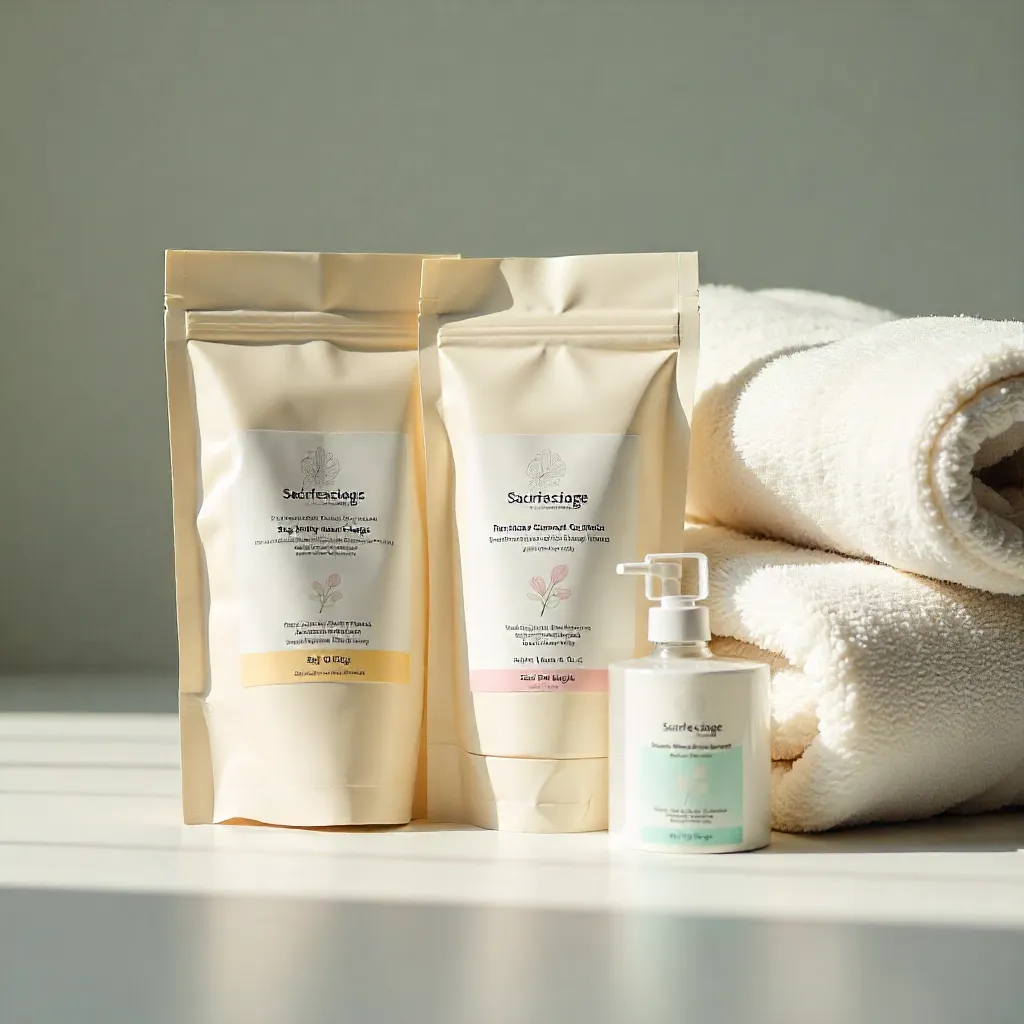
Our products are highly concentrated, meaning you need less per load. This reduces waste, packaging, and cost while maintaining cleaning effectiveness.
Load Size Matters
Adjust dosage based on load size: small loads (half-cap), medium loads (1 cap), large loads (1.5-2 caps). Over-dosing doesn't improve cleaning and wastes product.
Cold-Water Washing Tips
Why Cold Water Works
Our plant-based formulas are specifically designed to activate and clean effectively in cold water, saving energy while protecting your fabrics.
Best Practices:
-
Pre-treat Stains
Apply our stain remover directly to stains before washing. Let it sit for 5-10 minutes to break down tough spots before the wash cycle begins.
-
Sort by Fabric Type
Group similar fabrics together: delicates, cottons, synthetics. This ensures optimal cleaning and prevents damage to sensitive materials.
-
Don't Overload
Leave room in the drum for clothes to move freely. This allows the detergent to reach all surfaces and ensures thorough cleaning.
-
Use Appropriate Cycle
Select the correct cycle for your load type. Delicate cycles are gentler, while normal cycles provide more agitation for heavily soiled items.
Preserving Delicate Fabrics Naturally
Silk & Wool
Use gentle cycle with cold water. Add fabric softener to maintain softness. Air dry flat to preserve shape and prevent stretching.
Lace & Embellishments
Wash in a mesh bag to protect delicate details. Use gentle cycle and avoid fabric softener which can damage delicate fibers.
Natural Fibers
Cotton and linen benefit from our plant-based formulas. Wash in cold water and line dry when possible to reduce energy use and preserve fabric integrity.
Color Protection
Our gentle formulas help preserve colors. Wash dark and light items separately, and turn items inside out to protect printed designs.
Stain Removal with Plant-Based Products
Food Stains
Apply stain remover directly to the affected area. Gently rub the fabric together, then let sit for 10 minutes before washing in cold water.
Oil & Grease
Blot excess oil with a clean cloth. Apply our enzyme-based stain remover and let it work for 15 minutes. Wash in the warmest water safe for the fabric.
Grass & Dirt
Pre-treat with stain remover, focusing on visible marks. For stubborn stains, let the product sit for 30 minutes before washing.
Step-by-Step Eco-Laundry Routine
-
Sort Your Laundry
Separate by color (whites, darks, colors) and fabric type (delicates, regular, heavy-duty). This ensures optimal cleaning and prevents color bleeding.
-
Pre-treat Stains
Apply our plant-based stain remover to any visible stains. Allow it to penetrate for 5-15 minutes depending on stain severity.
-
Measure Detergent
Use the provided cap to measure the correct amount based on load size and soil level. Remember: less is often more with concentrated formulas.
-
Select Cold Water Cycle
Choose the appropriate cycle for your load type, but always select cold water temperature to save energy and protect fabrics.
-
Add Fabric Softener (Optional)
If using fabric softener, add it during the rinse cycle. Our natural softener works best when added at the right time.
-
Air Dry When Possible
Hang clothes to dry naturally. This saves energy, reduces wear on fabrics, and helps eliminate static cling naturally.